Certificate in Wildlife Economy and CBNRM Governance
Advanced professional training for those leading conservation on Africa’s working landscapes.
Across Africa, wildlife recovers where institutions work: where communities hold meaningful rights, markets function, and governance is accountable. Yet the skills to design and manage these systems are rarely taught. This graduate-level certificate equips conservation professionals with the institutional, economic, and governance expertise to lead wildlife economy transformation and to demonstrate measurable results in the landscapes where they work.
Program Structure
The Wildlife Economy Paradigm
Online | 3 graduate credits
Why do some wildlife landscapes thrive while others collapse? This course covers the institutional economics, property rights frameworks, and market dynamics that determine whether wildlife becomes a competitive land use, drawing on southern Africa’s pioneering reforms. It compares exclusionary and inclusive conservation models in the context of wildlife recovery in the drylands and forests of southern Africa.
Governing Communities & the Commons
Online | 3 graduate credits
Grounded in Elinor Ostrom’s commons theory, the pioneering work of Marshall Murphree and other scholar-practitioners from southern Africa, and real CBNRM case studies, this course builds practical expertise in community governance design, participatory democracy, benefit-sharing, and institutional accountability across scales.
Field Capstone: Wildlife Economy in Practice
Southern Africa | 2 weeks | 6 graduate credits
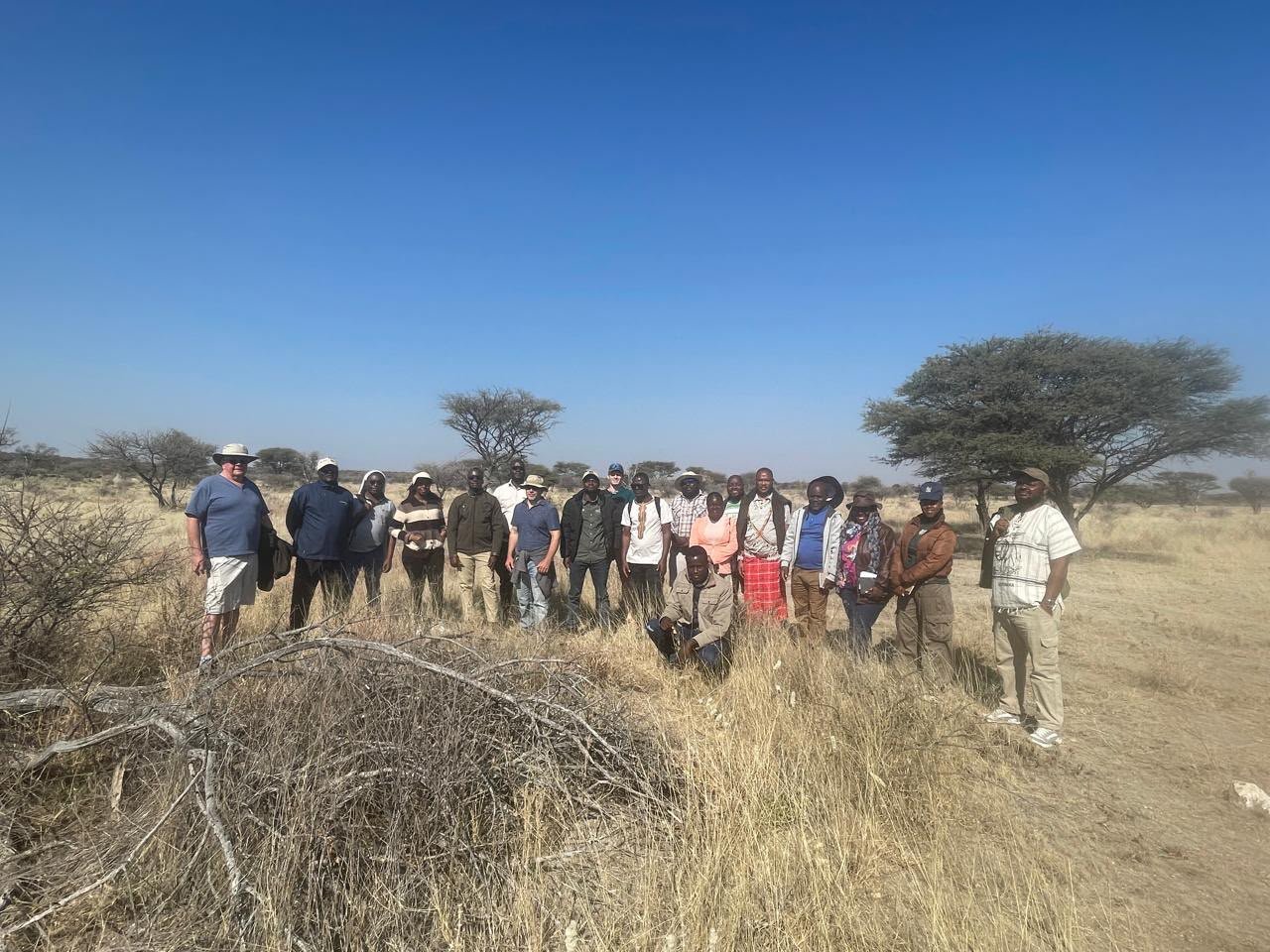
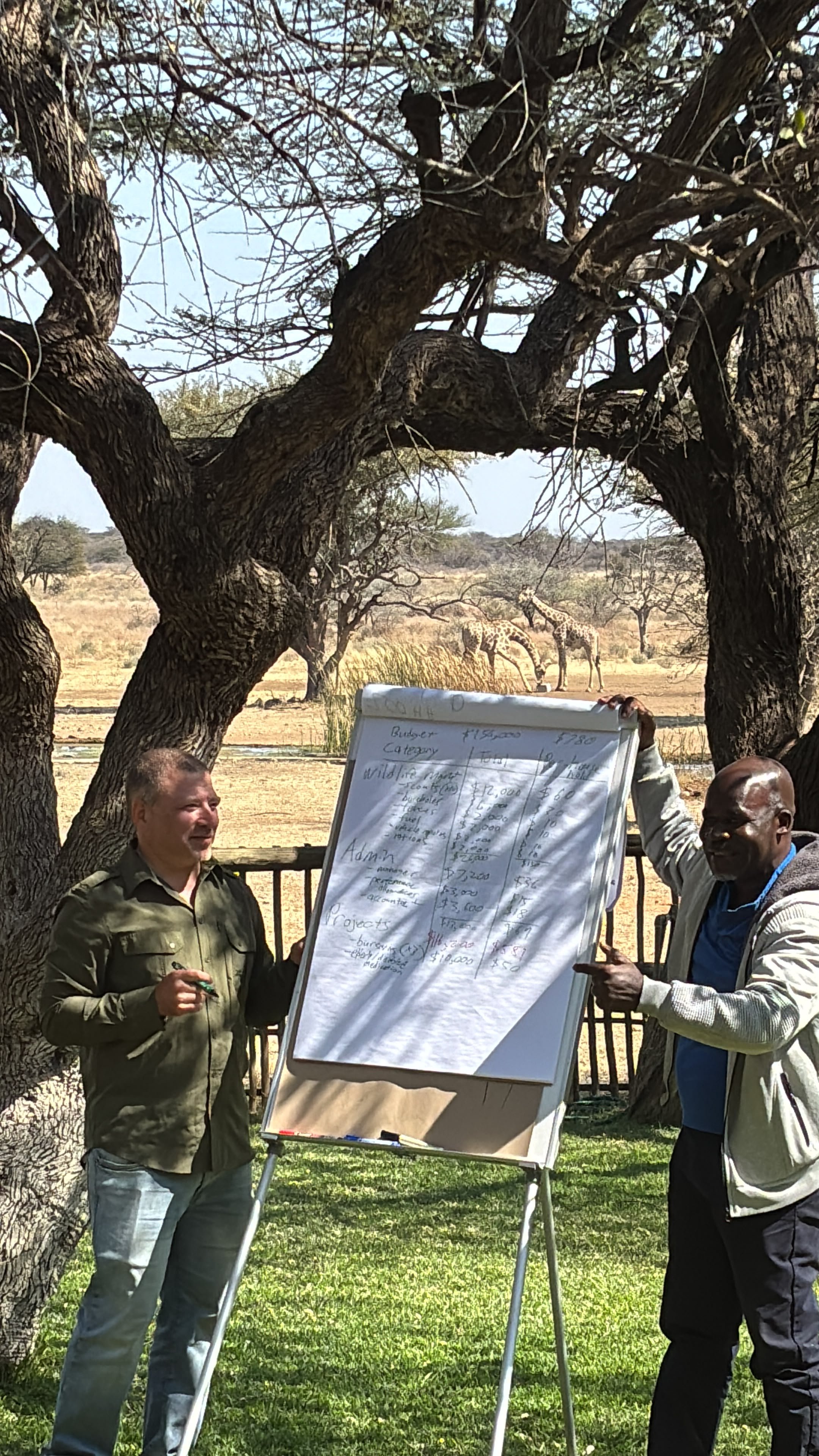
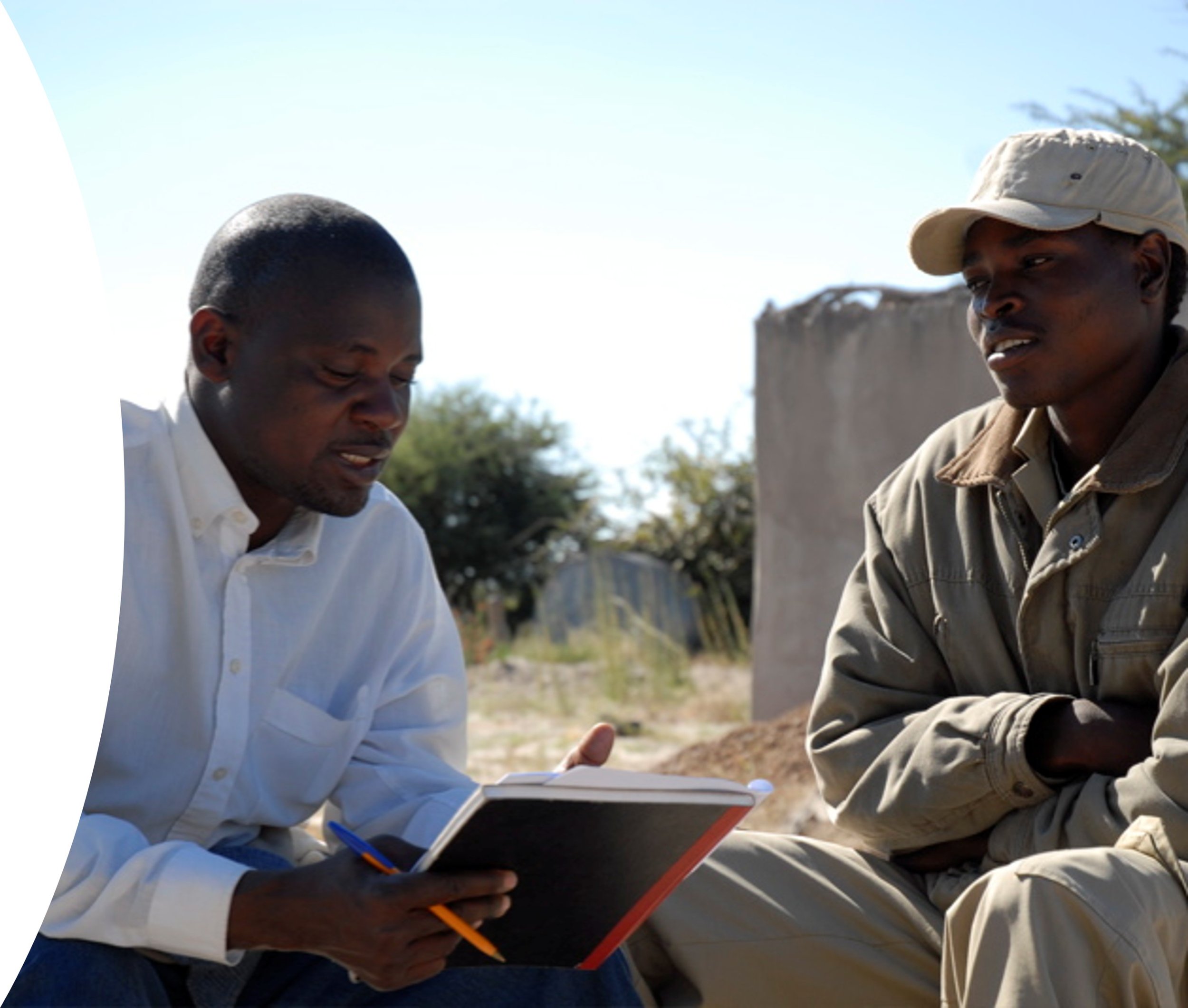
An intensive field immersion combining visits to high-performing private game farms and wildlife enterprises with hands-on training in community governance assessment, the livelihoods-governance-wildlife tolerance survey, and the operations room for tracking performance across governance, economic, environmental, and social dimensions.
Please note: Courses are invitation-only and can only be accessed with a password.

-
Institutional diagnostic skills to identify why conservation systems succeed or fail, using economics and governance analysis rather than ecological assessment alone.
Community governance expertise, from designing constitutions and accountability structures to building benefit-sharing mechanisms and participatory decision-making.
Wildlife economics proficiency to evaluate and communicate the value of tourism, hunting, and wildlife enterprises to communities, investors, and policymakers.
Practical field tools including governance dashboards, spatial decision-support systems, and wildlife pricing frameworks, ready to apply in your landscapes.
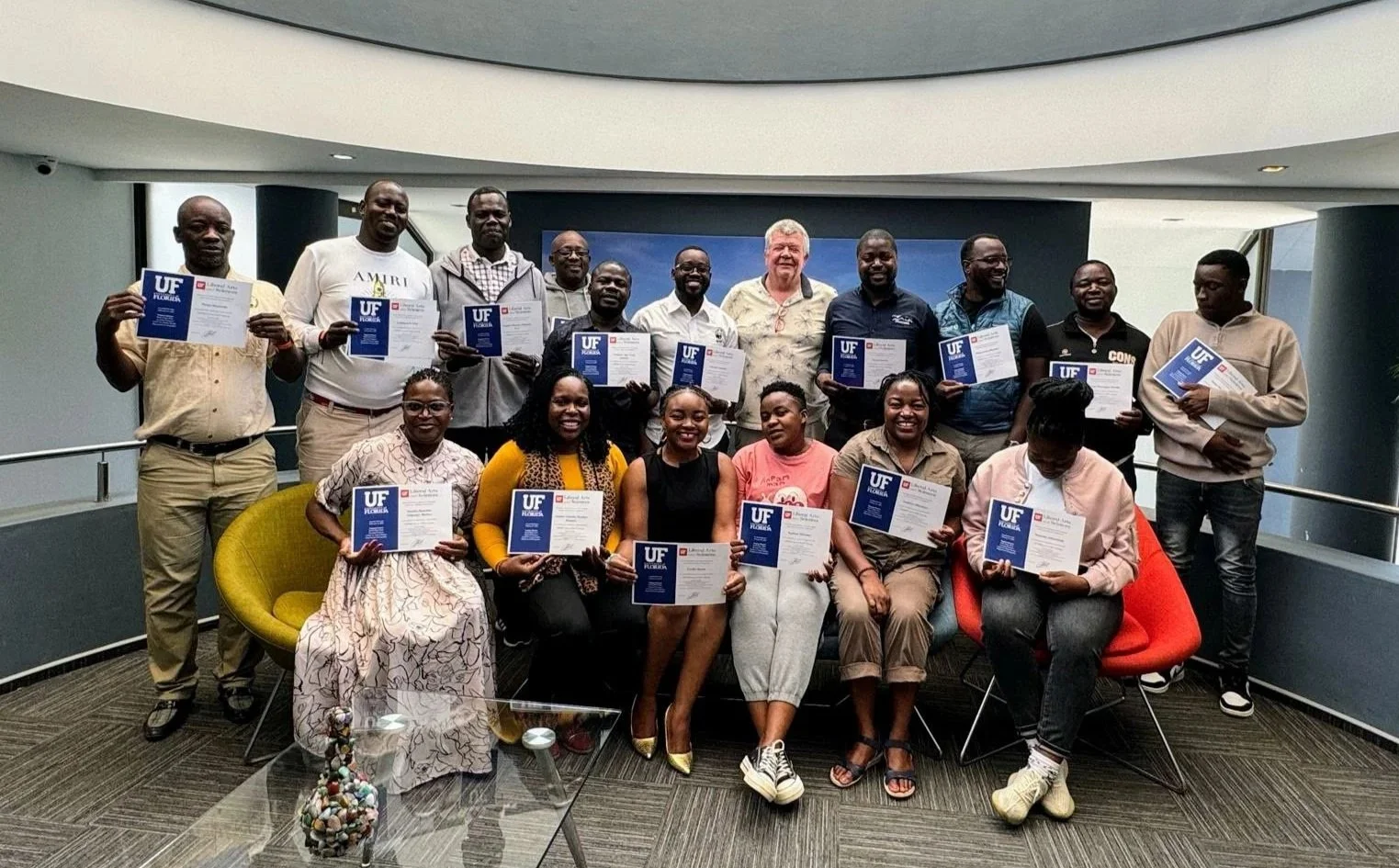
A professional network across Africa’s conservation and CBNRM communities, with 80+ alumni from 10+ countries and growing.
A pathway to graduate study: top performers may be nominated for Master’s or PhD programmes at Stellenbosch University through the Fonseca Leadership Program.
-
Conservation field managers, protected area practitioners, community development professionals, government wildlife officials, NGO programme staff, and graduate students working in or entering the wildlife economy and CBNRM.
-
12 U.S. graduate credits (equivalent to four 6000-level university courses). Taught by scholar-practitioners with decades of experience across southern and East Africa.
Faculty
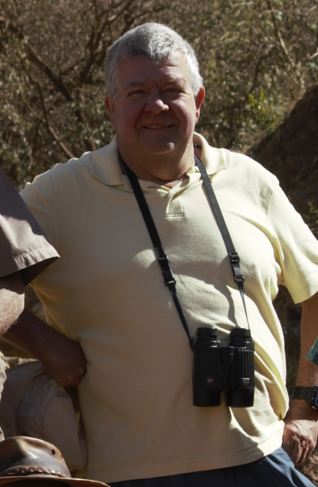
Dr. Brian Child
Dr. Child founded the LifeThroughWildlife certificate program, designed each of the courses, and is the lead instructor. He has decades of experience as a wildlife economist and CBNRM leader in southern Africa. He has managed CAMPFIRE (Zimbabwe), CBNRM in Zambia, and conservation systems in Kafue and South Luangwa. Dr. Child is presently a Professor in the Department of Geography and Center for African Studies at the University of Florida (USA) and is affiliate faculty at Stellenbosch University (South Africa).
Professor, University of FloridaDr. Alex Chidakel
Post-doctoral scholar | wildlife economy researcher, field practitioner across southern and East AfricaPost-doctoral scholar | online education specialist and CBNRM governance researcherAaron R. King